

Worth It?
/
At $3.9 trillion, in 2017 alone we spent nearly 4x Apple’s net worth on healthcare.
Read MoreAt $3.9 trillion, in 2017 alone we spent nearly 4x Apple’s net worth on healthcare.
Read MoreHeavy users of healthcare are sometimes referred to as the “frequent fliers” of the industry. But the similarity between healthcare and airfare has more to do with pricing than consumer behavior: think airports and hospitals, where sandwiches and bandaids always cost more than you think they should. This 2018 overview by the NYT summarizes multiple studies pointing to the role pricing plays in the U.S.’ out of control cost curve.
More than a quarter million children lost health insurance this year — the first decline in over a decade.
Read MoreThe debate on guns needs to be reframed. This article shows how guns are eroding public health.
Read MoreIf you’ve ever researched a health issue online, using Google, a symptom checker, or some other source, this article gives you a glimpse of how physicians feel about that…
Read MoreGuns are woven into the fabric of our everyday lives; and they are destroying it. Road rage, discussed by this New York Times article last year, is just one of the ways.
Read MoreDo patients and doctors agree on who really controls your personal medical data?
Read MoreWhat is health? How do you know when you have it, and when you don’t? Do measures of health really capture what it is? How do people from around the world and from other periods of time think of health?
The Radical Patient
In Alameda county, African-American infants’ mortality rate is 4x higher than their Caucasion counterparts. A local hospital chief tackled the problem with a model program but little funding.
The aftermath of gun violence is devastating, and yet Americans have grown so used to it in the news that it no longer shocks or awakens us to how preventable it really is. Deadly acceptance replaces grief and meaningful reform.
“With nearly 80 percent of internet users searching online for health-related information, it’s no wonder the catchphrase “Dr. Google” has caught on…”
Can healthcare become equitable when physician compensation is anything but?
There’s a type of magnet called a “rare-earth” toy magnet that is very tiny and extremely powerful — up to 30x more than a regular kitchen magnet. They are commercially available under various brand names and while they are ostensibly intended for adults, they are very attractive to children, many of whom have swallowed them….These magnets are so strong that they can literally pull two different areas of the intestines together, requiring invasive surgery.
“If you are having a stroke, there is about a 9 percent chance you will be misdiagnosed in the ER — a statistic that applies to all age groups when the patient is seen initially in the ER. But if you are young, female, a person of color or have limited education (less than a high school degree), your risk of misdiagnosis soars,” according to one expert cited in this article from the Washington Post. For women, apparently, that risk is a whopping 30% higher than the norm.
A quick and memorable read about a woman who persisted in her search for a medical explanation where doctors and imaging were turning up none. Had she not, she would likely have died from an aggressive form of kidney cancer, a diagnosis made more difficult by the fact that she didn’t “fit'“ the profile of the typical patient.


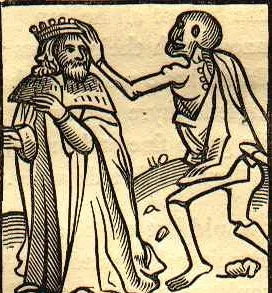






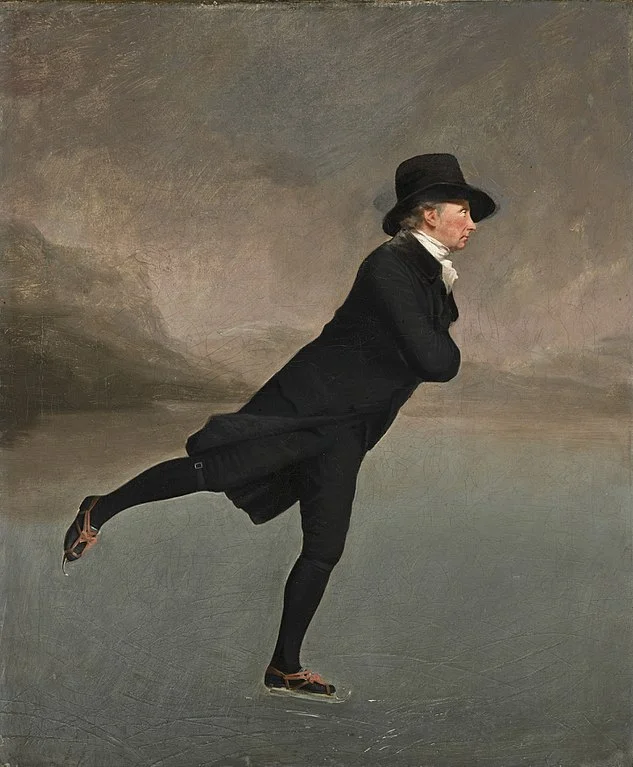






Doctor-patient confidentiality is intended to protect the patient. It’s being used to protect physicians who cause harm.